
Fibre Types Explained: Which Ones Feed Your Good Gut Bacteria?
Your gut is home to trillions of bacteria, and what you feed them matters. Not all fibre works the same way, and understanding the difference could be the missing piece in your journey to better digestive health, clearer thinking, and even easier weight management.
Here's what most people don't realise: the right fibre types don't just keep you regular – they actively feed the beneficial bacteria in your gut, helping them thrive and crowd out harmful microbes.
Quick Answers:
Soluble fibre (found in oats, legumes, and fruits) dissolves in water and feeds good gut bacteria directly.
Insoluble fibre (found in wholegrains and vegetables) adds bulk to stool and supports regular bowel movements.
Prebiotic fibres like inulin and resistant starch are the best fibre for gut health – they selectively feed beneficial bacteria.
Your gut bacteria ferment these fibres into short-chain fatty acids, which reduce inflammation and support overall health.
Most Australians consume only 20-25g of fibre daily, well below the recommended 25-30g.
How Fibre and Gut Health Are Connected
Your gut microbiome functions like an ecosystem. The bacteria living there need fuel to survive, and fibre is their primary food source. When you eat fibre-rich foods, these microbes break down the fibre through fermentation, producing beneficial compounds called short-chain fatty acids (SCFAs).
SCFAs like butyrate, acetate, and propionate do remarkable things. They strengthen your gut lining, reduce inflammation, regulate blood sugar, and even influence your mood through the gut-brain connection.
But here's the catch: not all fibre feeds your gut bacteria equally. Some types pass through largely undigested, whilst others are like a five-star meal for your beneficial microbes.
Soluble vs Insoluble Fibre: What's the Difference?
These two fibre categories work differently in your digestive system.
Soluble Fibre
Soluble fibre dissolves in water, forming a gel-like substance in your gut. This slows digestion, helps stabilise blood sugar, and provides direct fuel for gut bacteria. Think of it as the slow-release energy your microbiome needs. You'll find it in oats, barley, legumes (chickpeas, lentils), apples, pears, and psyllium husk.
Insoluble Fibre
Insoluble fibre doesn't dissolve. Instead, it adds bulk to your stool and speeds up movement through your digestive tract. While it doesn't feed bacteria directly, it supports regular bowel movements and helps prevent constipation. Sources include wholegrains (brown rice, wholemeal bread), nuts, seeds, and the skins of vegetables like potatoes and carrots.
Your body needs both types. But if you're specifically looking to support your gut, bacteria and improve overall gut health, soluble fibre is where you'll see the most benefit initially.
Which Fibre Provides Food Energy for Gut Bacteria?
Prebiotic fibres are the gold standard when it comes to feeding beneficial gut bacteria. These are specific types of soluble fibre that resist digestion in your small intestine and arrive intact in your colon, where your gut bacteria can ferment them.
The most well-researched prebiotic fibres include:
Inulin: Found in chicory root, Jerusalem artichokes, garlic, onions, and leeks. Studies show inulin increases populations of Bifidobacteria, one of the most beneficial bacterial strains in your gut.
Fructooligosaccharides (FOS): Present in bananas, asparagus, and wheat. FOS selectively feeds good bacteria whilst being indigestible to harmful strains.
Resistant starch: Found in cooked and cooled potatoes, green bananas, and legumes. This type of starch "resists" digestion and acts like fibre once it reaches your colon.
Beta-glucan: Present in oats and barley, beta-glucan not only feeds bacteria but also helps lower cholesterol and regulate blood sugar.
Pectin: Found in apples, citrus fruits, and carrots. Pectin feeds bacteria and forms a protective gel in your intestines.
When these fibres are fermented by your gut bacteria, they produce those crucial SCFAs. Butyrate, in particular, provides 70% of the energy for your colon cells and helps maintain a healthy gut barrier, which is essential for preventing "leaky gut" and systemic inflammation.
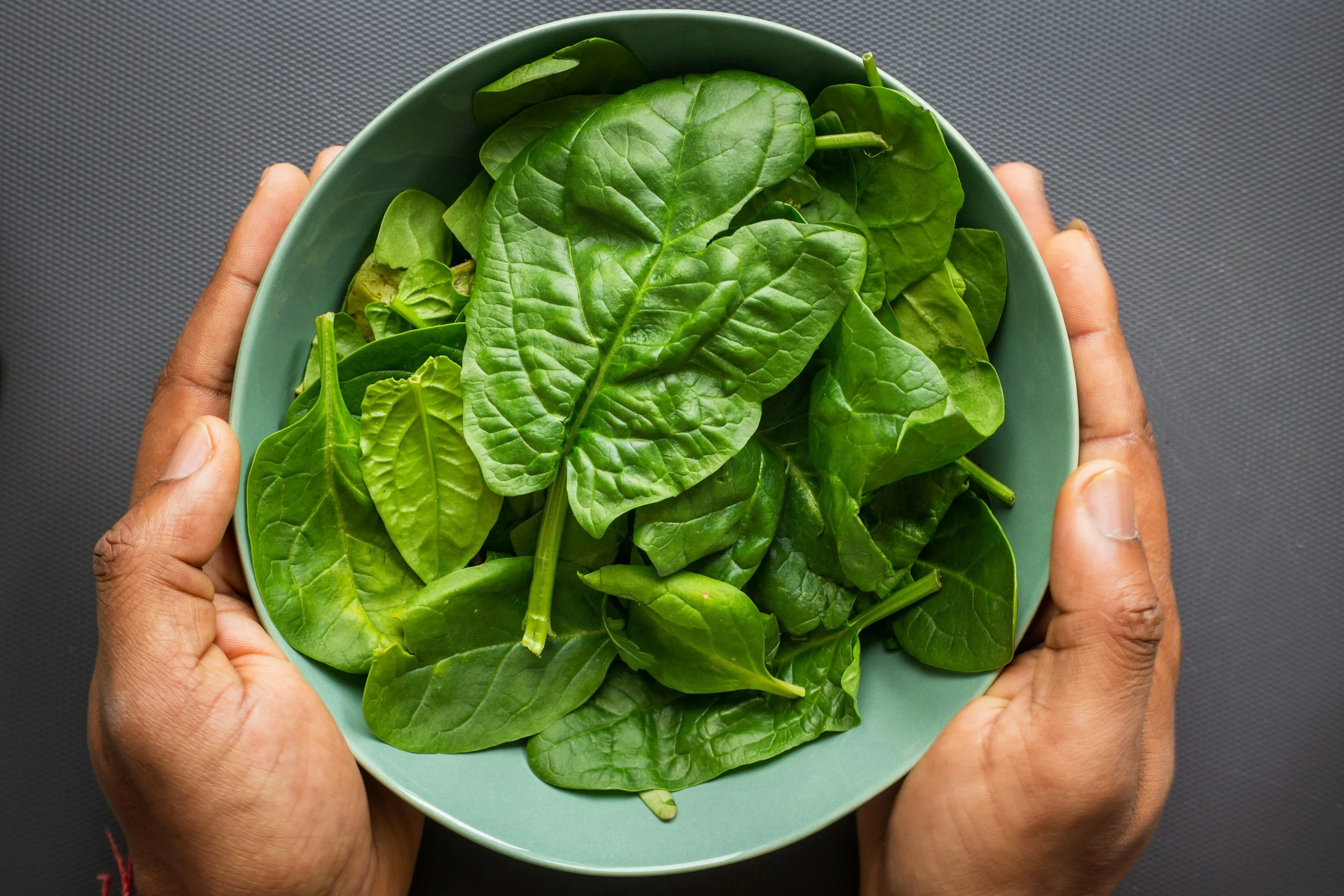
Best Fibre for Gut Health: Practical Food Sources
If you want to actively improve fiber and gut health, focus on incorporating these foods into your daily routine:
Breakfast
Steel-cut oats topped with chia seeds, sliced banana, and a sprinkle of ground flaxseed. This combination provides soluble fibre, resistant starch, and omega-3s.
Lunch
A lentil and vegetable soup with a side of wholegrain sourdough. Legumes are packed with prebiotic fibre, and sourdough's fermentation process makes it easier to digest.
Dinner
Grilled salmon with roasted sweet potato (cooled slightly to increase resistant starch) and steamed broccoli. Add a small side of sauerkraut for an extra probiotic boost.
Snacks
Sliced apple with almond butter, hummus with carrot sticks, or a handful of mixed nuts and seeds.
The key is variety. Different fibres feed different bacterial strains, so rotating your fibre sources helps build a more diverse and resilient microbiome. Aim for at least 25-30g of fibre daily from whole food sources.
How Much Fibre Do You Actually Need?
Most Australians fall short. The Heart Foundation recommends 25g daily for women and 30g for men, yet average intake sits around 20–25g. That gap might seem small, but it matters when you're trying to support gut health.
Start gradually if you're increasing fibre intake. A sudden jump can cause bloating or discomfort as your gut bacteria adjust. Add 5g per week and drink plenty of water – fibre works best when you're well hydrated.
If you've been struggling with digestive symptoms despite eating "healthy," it could be that you're not getting enough of the right types of fibre. Or, in some cases, certain fibres might be triggering symptoms due to underlying gut issues like small intestinal bacterial overgrowth (SIBO) or irritable bowel syndrome (IBS).
Beyond Fibre: Supporting Your Gut Bacteria Holistically
Fibre is crucial, but it's not the only factor in gut health. Your gut bacteria also benefit from fermented foods like yoghurt, kefir, and kimchi, which provide live beneficial bacteria that work alongside your dietary fibre intake. You can learn more about prebiotics vs probiotics and how they complement each other.
Polyphenols from colourful fruits and vegetables, adequate sleep, stress management, and reducing processed foods all play a role. If you're doing everything right but still experiencing bloating, irregular bowels, or unexplained fatigue, it might be time to look deeper.
Sometimes, gut dysbiosis (an imbalance of good and bad bacteria) requires more targeted intervention. What naturally kills bad bacteria in the gut isn't always about adding more fibre but about identifying which strains are overgrown and addressing the root cause.
Similarly, if you've noticed changes in your weight that don't match your diet or activity level, your gut bacteria could be influencing your metabolism. Read more about gut health and weight loss if this resonates with your experience.
When to Seek Professional Guidance
If you've tried increasing your fibre intake and you're still dealing with persistent digestive issues, brain fog, skin problems, or chronic fatigue, it's worth investigating further. These symptoms often signal underlying gut imbalances that won't resolve with diet changes alone.
At Evergreen Doctors, we take a functional medicine approach to gut health. Rather than simply treating symptoms, we use comprehensive stool testing, food sensitivity analysis, and personalised protocols to identify exactly what's happening in your gut and why. We then create tailored nutrition and supplement plans that address your unique imbalances.
Whether you're dealing with IBS, suspected food intolerances, or just can't seem to shift that "off" feeling despite eating well, our team can help you get to the root cause.