
Anemia: Symptoms, Causes & Treatment
Feeling exhausted despite getting enough sleep? Struggling with brain fog that won't shift? You might be one of the estimated 1.62 billion people globally affected by anemia, a condition where your body doesn't have enough healthy red blood cells to carry adequate oxygen to your tissues.
But what is anemia, exactly? It's more than just feeling tired. It's your body signalling that something's not quite right at a cellular level, and understanding the root cause is the first step toward feeling like yourself again.
Key Insights:
What it is: Anemia occurs when you lack sufficient healthy red blood cells or hemoglobin to transport oxygen throughout your body.
Common signs: Persistent fatigue, pale skin, shortness of breath, dizziness, and cold hands or feet.
Main causes: Iron deficiency (most common), vitamin B12 or folate deficiency, chronic disease, or blood loss.
Treatment approach: Depends on the underlying cause – may include dietary changes, supplementation, or addressing chronic conditions.
When to act: If you're experiencing multiple symptoms, get your iron studies checked (not just a standard blood test).
What Is Anemia?
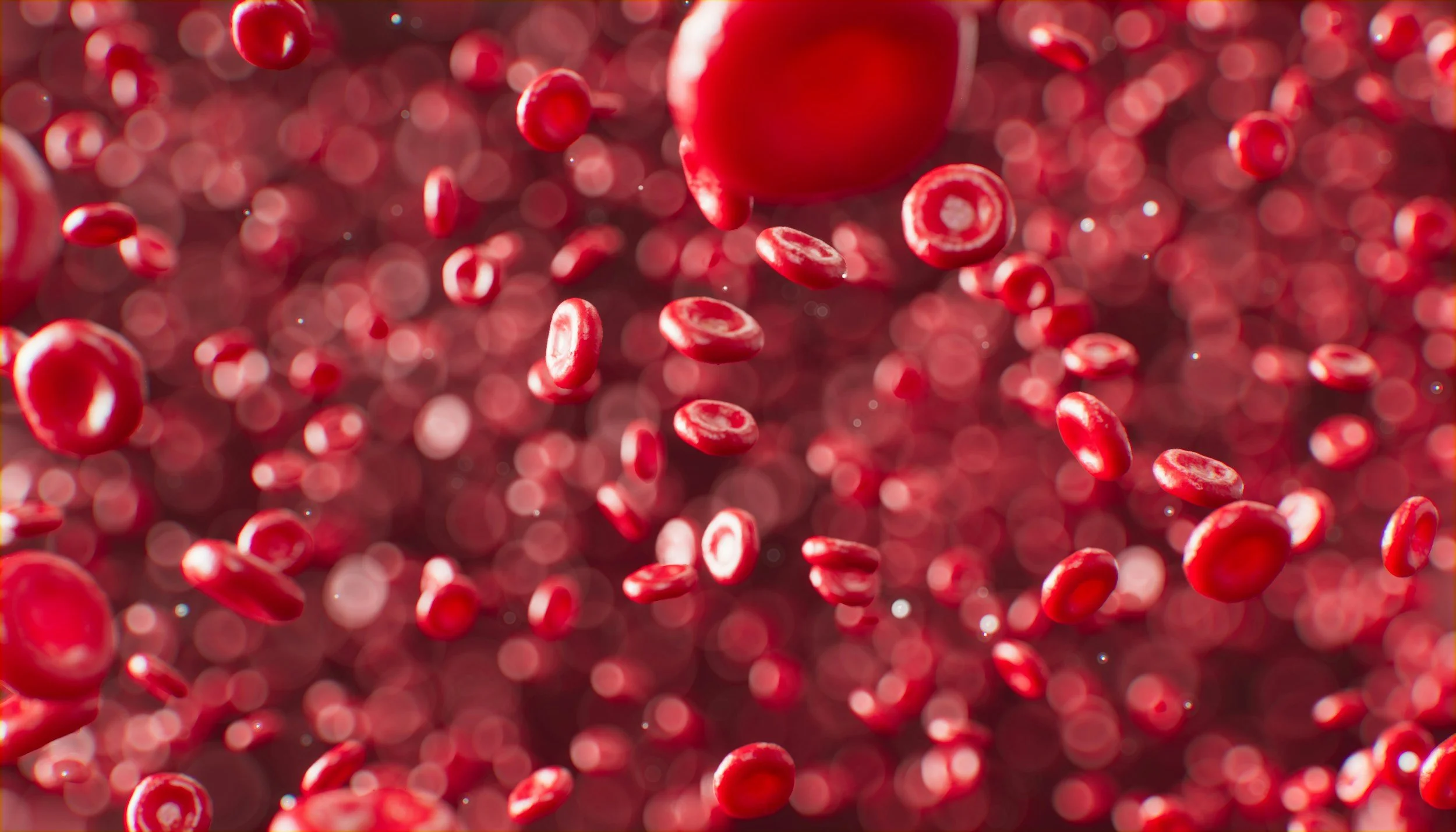
Anemia is a sign that your body's oxygen delivery system isn't working properly. Your red blood cells contain hemoglobin, an iron-rich protein that binds to oxygen in your lungs and carries it to every organ, muscle, and tissue in your body. When you don't have enough healthy red blood cells or your hemoglobin levels drop too low, your cells literally can't breathe properly.
The World Health Organisation defines anemia as hemoglobin levels below 130 g/L for men and below 120 g/L for non-pregnant women. But here's what standard blood tests often miss: you can have "normal" hemoglobin levels and still be functionally anemic if your ferritin (iron stores) is low or if you have inflammation affecting iron absorption.
Signs of Anemia: What Your Body's Telling You
The signs of anemia often creep up gradually, which is why many people dismiss them as just "being busy" or "getting older." Your body's remarkably good at compensating until it can't anymore.
Physical Symptoms
Persistent fatigue is the hallmark sign, but it's different from normal tiredness. We're talking about exhaustion that doesn't improve with rest, where even simple tasks like climbing stairs leave you breathless. You might notice your skin looks paler than usual, particularly around your nail beds, inside your lower eyelids, or on your palms.
Cold hands and feet are common because your body prioritises sending oxygen-rich blood to vital organs, leaving your extremities chilly. Some people develop unusual cravings for ice, dirt, or starch, a phenomenon called pica that's strongly linked to iron deficiency anemia.
Cognitive and Emotional Symptoms
Brain fog isn't just in your head. Your brain uses roughly 20% of your body's oxygen supply, so when oxygen delivery drops, concentration and memory suffer first. Mood changes, irritability, and feeling overwhelmed by small tasks are all potential indicators your brain isn't getting the oxygen it needs.
Highly Serious Symptoms
If you're experiencing severe shortness of breath, chest pain, rapid or irregular heartbeat, or extreme dizziness, these could indicate your anemia has progressed to a dangerous level. These aren't symptoms to monitor at home, get medical attention straight away.
For a detailed breakdown of iron deficiency specifically, check out our guide on signs of low iron and what to watch for.
What Causes Anemia?
Understanding anemia causes is crucial because treatment depends entirely on addressing the root issue, not just supplementing blindly.
Iron Deficiency Anemia
This accounts for roughly 50% of all anemia cases globally. But "low iron" isn't the full story. We need to ask why your iron's low. Are you not absorbing it properly due to gut inflammation or celiac disease? Are you losing blood through heavy periods or an undiagnosed stomach ulcer? Is your diet genuinely lacking in iron-rich foods, or is something else depleting your stores?
Women of reproductive age are particularly vulnerable due to menstrual blood loss. Pregnancy demands increase by 50%, and many women enter pregnancy with suboptimal stores to begin with.
Vitamin B12 and Folate Deficiency
These vitamins are essential for red blood cell production. Vegans and vegetarians are at higher risk for B12 deficiency since it's primarily found in animal products. Older adults may struggle with absorption due to decreased stomach acid production. Certain medications, including metformin and proton pump inhibitors, can interfere with B12 absorption over time.
Anemia of Chronic Disease
Conditions like chronic kidney disease, inflammatory bowel disease, rheumatoid arthritis, and cancer can all cause anemia, not because you're deficient in iron, but because inflammation disrupts how your body uses it. This is why checking a low ferritin level alongside other markers gives us a much clearer picture of what's actually happening.
Blood Loss
Acute blood loss from injury or surgery is obvious. What's less obvious is chronic, low-grade blood loss from conditions like hemorrhoids, stomach ulcers, or heavy menstrual periods that gradually deplete your iron stores over months or years.
Genetic Conditions
Thalassemia, sickle cell disease, and other inherited blood disorders affect how your body produces red blood cells. These require specialised management and should be diagnosed through comprehensive blood testing.
Anemia Treatments: A Functional Medicine Approach
Conventional treatment typically involves iron tablets and a "wait and see" approach. At Evergreen Doctors, we dig deeper because effective anemia treatments require understanding why you're anemic in the first place.
Diagnostic Testing
Standard blood tests check hemoglobin and maybe ferritin if you're lucky. We run comprehensive iron studies including serum iron, transferrin saturation, and ferritin to see the full picture. We also test for inflammation markers (CRP, ESR), vitamin B12, folate, and thyroid function where appropriate.
If you have consistently low iron despite supplementation, we investigate gut health. Celiac disease, H. pylori infection, and inflammatory bowel conditions all impair iron absorption, and treating the gut issue often resolves the anemia naturally.
Dietary Optimisation
Increasing dietary iron is essential, but not all iron is created equal. Heme iron from red meat, poultry, and fish is absorbed at 15-35% efficiency. Non-heme iron from plant sources (spinach, lentils, fortified cereals) is absorbed at just 2-20%.
Pairing plant-based iron with vitamin C dramatically improves absorption. We also address gut health to ensure you're actually absorbing the iron you consume.
Supplementation Strategies
Oral iron supplements work well for some people but can cause significant gastrointestinal side effects (constipation, nausea, stomach pain) for others.
For people with severe deficiency, absorption issues, or those who can't tolerate oral iron, intravenous iron infusions deliver therapeutic doses directly into your bloodstream. If you're wondering how long does an iron injection take to work, most people notice energy improvements within 2-4 weeks, though optimal levels take 8-12 weeks to achieve.
Learn more in our article on 5 questions about iron infusion.
Treating Underlying Conditions
If your anemia stems from chronic disease, managing that condition is paramount. For heavy menstrual bleeding, we work with you to address hormonal imbalances or investigate structural causes. For gut inflammation, we heal the gut lining and restore healthy absorption.
When to Seek Professional Help
If you're experiencing persistent fatigue, breathlessness, or any combination of the signs of anemia we've discussed, it's time for comprehensive testing. Many GPs run basic bloods, see hemoglobin is "within range," and send you on your way. That's not good enough when your quality of life is suffering.
At Evergreen Doctors, we help you get to the root cause of complex, chronic health issues. Our functional medicine approach means we investigate why you're anemic, address underlying gut health or hormonal issues, and create a personalised treatment plan to help you achieve optimal health.